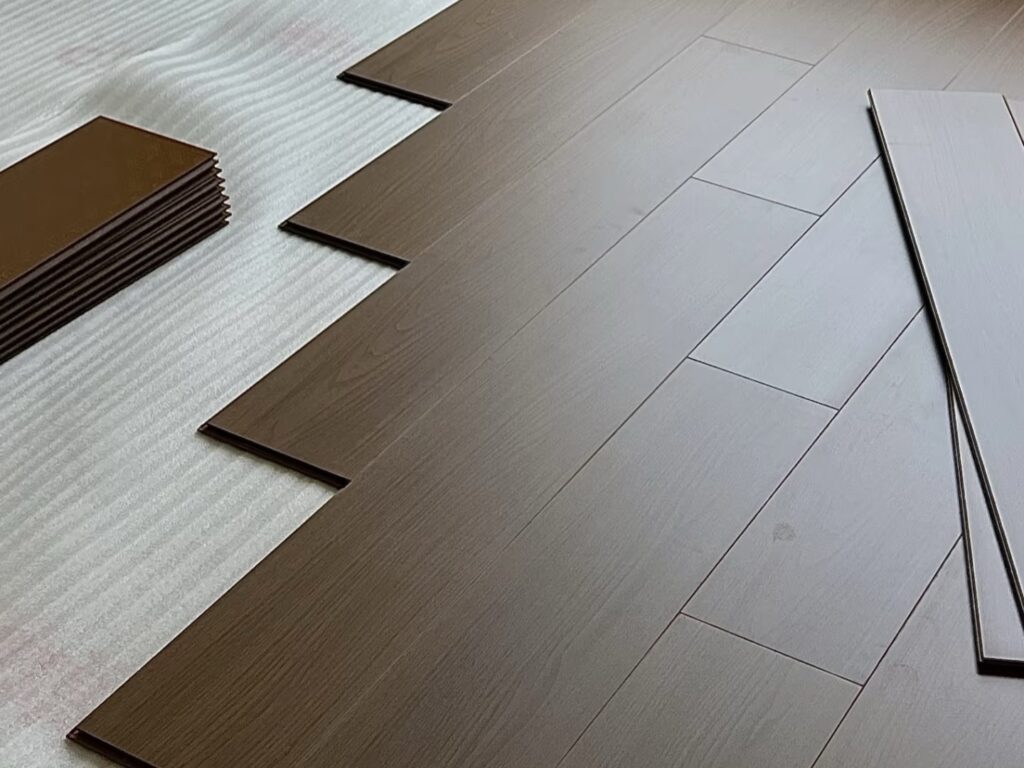
New Three-Layer Engineered Wood Flooring: A Modern Flooring Solution
In the realm of contemporary home decoration and commercial space design, flooring serves as more than just a functional element—it is a key contributor to the overall ambiance and value of a space. New three – layer engineered wood flooring has rapidly gained popularity in recent years, emerging as a preferred option for those seeking a harmonious combination of functionality and style. Unlike conventional flooring materials, it addresses the limitations of traditional solid wood flooring while retaining its most appealing qualities.
Structural Excellence: The Foundation of Performance
The success of new three – layer engineered wood flooring lies in its well – thought – out three – layer structure, each layer working in tandem to deliver outstanding performance.
The top wear layer is the face of the flooring, crafted from premium hardwood veneer. This layer is not only responsible for the flooring’s visual appeal, showcasing the natural beauty of wood grains, but also acts as a robust shield against daily damage. With a thickness ranging from 0.6mm to 2mm, thicker wear layers can withstand heavy foot traffic, furniture movement, and even accidental scratches, ensuring the flooring remains in top – notch condition for decades. Moreover, when the surface shows signs of wear after years of use, the wear layer can be sanded and refinished, giving the flooring a new lease on life.
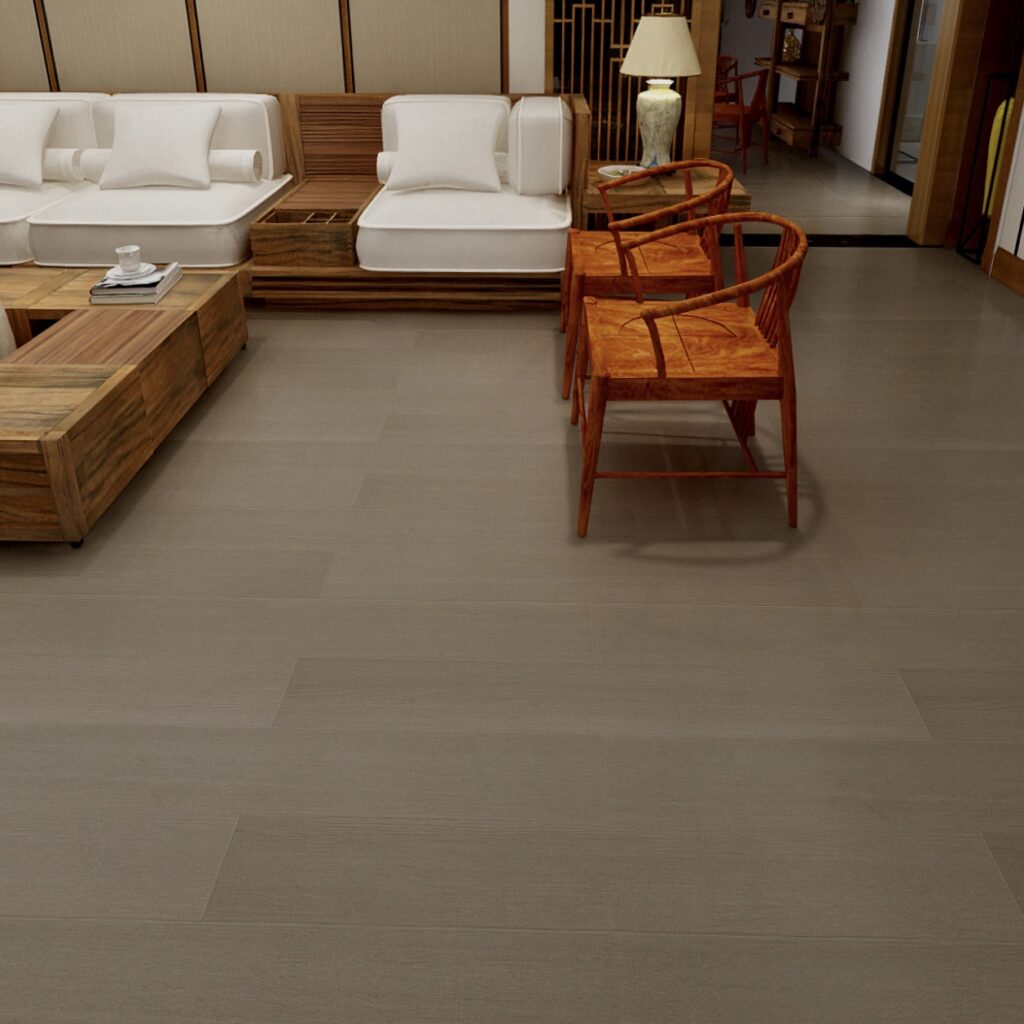
The middle core layer is the backbone of the flooring, typically made of high – density fiberboard (HDF) or multi – layer plywood. HDF, with its high density and low moisture absorption rate, provides exceptional dimensional stability. This means the flooring is highly resistant to expansion and contraction caused by changes in temperature and humidity, a common issue that plagues solid wood flooring. As a result, new three – layer engineered wood flooring can be safely installed in areas with fluctuating moisture levels, such as kitchens, laundry rooms, and even basements, expanding its application range significantly.
The bottom balancing layer, often made of softwood or wood – based composite materials, plays a crucial role in maintaining the flooring’s flatness. It counteracts the internal stresses generated by the top and core layers, preventing the flooring from warping, cupping, or buckling. This layer also enhances the flooring’s sound insulation properties, reducing the transmission of impact noise and creating a quieter living or working environment.
Versatile Aesthetics: Adapting to Diverse Styles
One of the most attractive features of new three – layer engineered wood flooring is its versatile aesthetic appeal, which can seamlessly integrate with various design styles.
In terms of wood species, manufacturers offer an extensive range of options to cater to different preferences. Oak, with its distinctive grain patterns and warm tones, is a timeless choice that suits both traditional and modern interiors. Maple, known for its smooth texture and light color, adds a fresh and bright touch to spaces, making it ideal for small rooms or areas with limited natural light. For those who prefer a more unique and exotic look, walnut and teak options are available, bringing a touch of luxury and sophistication to any space.
Finishes also play a vital role in shaping the flooring’s appearance. Matte finishes have a subtle, understated charm, perfect for creating a cozy and relaxed atmosphere in bedrooms and living rooms. Semi – gloss finishes strike a balance between shine and subtlety, adding a touch of elegance to dining rooms and home offices. High – gloss finishes, on the other hand, reflect light, making spaces appear larger and more vibrant, making them a great choice for modern and minimalist interiors.
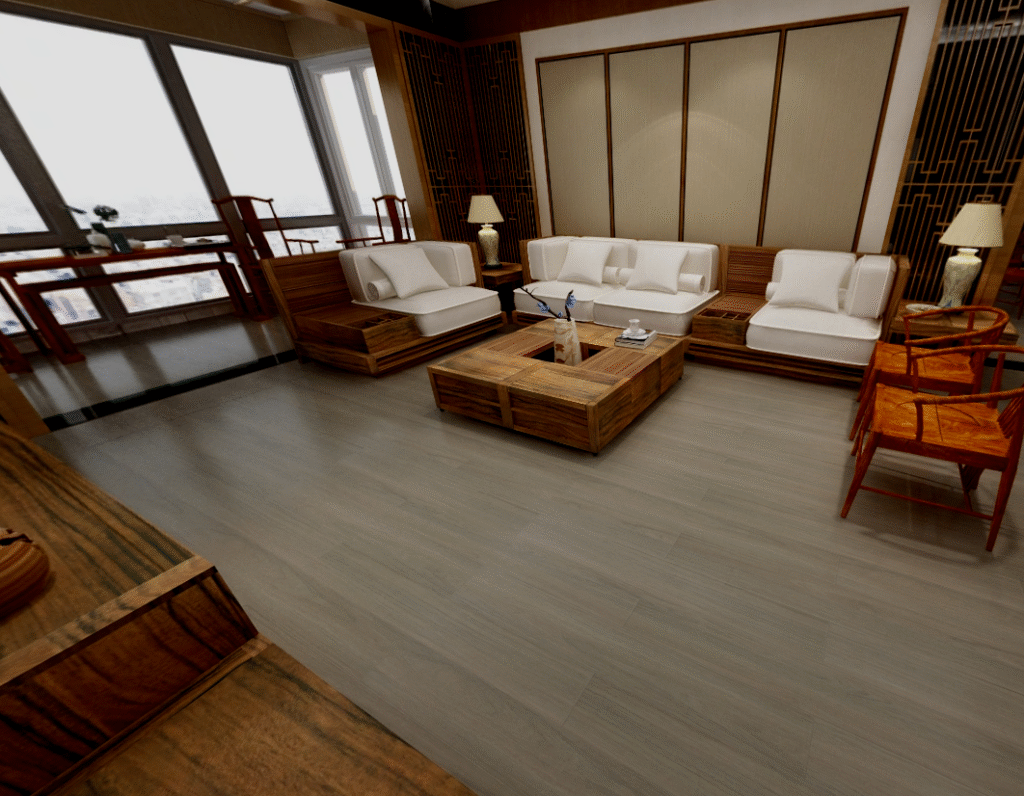
Plank sizes further expand the design possibilities. Wide – plank flooring (usually 150mm or more in width) creates a sense of grandeur and continuity, making it suitable for open – concept living spaces. Narrow – plank flooring (around 100mm in width) exudes a classic and traditional vibe, ideal for period – style homes or smaller rooms where it can add a sense of intimacy.
Practical Advantages: Easy Installation and Maintenance
For homeowners and installers alike, the practicality of new three – layer engineered wood flooring is a major selling point.
Installation is a breeze, thanks to the advanced click – lock technology. Most products feature a tongue – and – groove system that allows planks to be snapped together quickly and securely, without the need for glue or nails. This not only reduces installation time—often a room can be floored in just a day—but also makes it possible for DIY enthusiasts to take on the project themselves, saving on labor costs. Additionally, the flooring can be installed over various subfloors, including concrete, plywood, and existing vinyl or tile, as long as the subfloor is level and clean.
Maintenance is equally straightforward. Regular cleaning involves simple sweeping or vacuuming to remove dust and debris. For deeper cleaning, a damp mop with a mild, wood – friendly cleaner is sufficient. The wear layer’s protective coating resists stains and spills, so accidental spills can be wiped up immediately without leaving permanent marks. Unlike solid wood flooring, which requires frequent waxing and polishing, new three – layer engineered wood flooring only needs occasional maintenance to keep it looking its best.
Environmental Sustainability: A Responsible Choice
In an era where environmental consciousness is on the rise, new three – layer engineered wood flooring stands out as an eco – friendly option.
The production process of this flooring is highly efficient in terms of wood usage. Since only a thin layer of hardwood veneer is used for the top layer, it maximizes the use of each tree. The core and balancing layers are made from wood by – products, such as sawdust and wood chips, which would otherwise end up in landfills. This not only reduces waste but also minimizes the demand for newly harvested wood, helping to preserve forests.
Many manufacturers also prioritize sustainable sourcing and hold certifications such as the Forest Stewardship Council (FSC) certification. This ensures that the wood used in the flooring comes from forests that are managed responsibly, with a focus on conservation, biodiversity, and the well – being of local communities. By choosing FSC – certified new three – layer engineered wood flooring, consumers can make a positive impact on the environment while enjoying a high – quality flooring product.