
Laminate Flooring: A Practical and Versatile Flooring Choice
Laminate flooring, also known as impregnated paper laminated wood flooring, is a multi-layer synthetic flooring product manufactured through lamination technology, which has become increasingly popular in both residential and commercial spaces in recent years. It is designed to replicate the natural beauty of hardwood, stone, or tile while offering greater affordability, durability, and ease of maintenance, making it a favored option for budget-conscious homeowners and business owners alike.
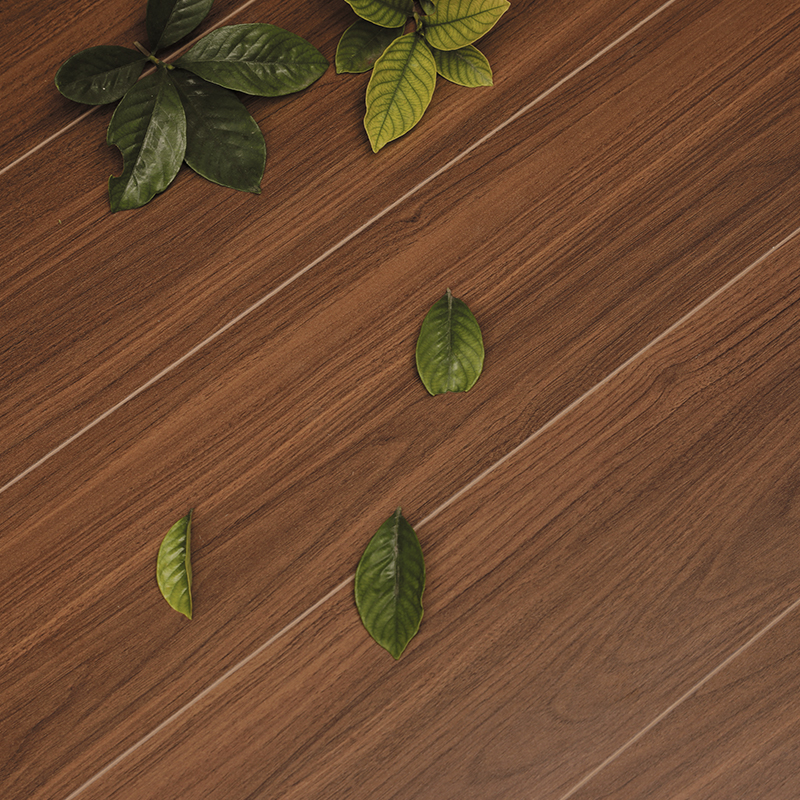
The structure of laminate flooring is well-engineered, typically consisting of four key layers that work together to ensure its performance and longevity. The topmost layer is a wear-resistant layer made of aluminum oxide, which is responsible for protecting the floor from scratches, stains, and fading—this layer’s thickness directly determines the floor’s wear resistance, with the national standard requiring a minimum of 6,000 wear revolutions for residential use. Below the wear layer is the decorative layer, a high-definition printed paper that mimics various natural wood grains, stone textures, or other patterns, allowing for a wide range of design options to match different interior styles. The core layer, usually made of high-density fiberboard (HDF) or medium-density fiberboard (MDF), provides the floor with stability, strength, and resistance to deformation. The bottom layer is a balance layer made of polyester material, which prevents moisture from seeping up from the subfloor and maintains the overall stability of the planks.
One of the most prominent advantages of laminate flooring is its cost-effectiveness. Compared to solid hardwood or natural stone flooring, laminate is significantly more affordable, allowing consumers to achieve the aesthetic of high-end flooring without breaking the bank. Additionally, it is extremely easy to install, featuring a lock-and-fold or tongue-and-groove design that enables DIY installation—most homeowners can complete the installation with basic household tools, eliminating the need for professional labor and reducing installation costs. Laminate flooring is also highly durable and low-maintenance: its wear-resistant surface can withstand heavy foot traffic, making it ideal for busy households with children and pets, and daily cleaning only requires light sweeping, vacuuming, or damp mopping, with no need for waxing or refinishing.
Despite its many benefits, laminate flooring also has some limitations that should be considered before installation. First, it is not a natural material—while it closely mimics the appearance of wood or stone, it lacks the authentic texture and warmth of natural materials. Second, it is sensitive to moisture; prolonged exposure to water or excessive humidity can cause the core layer to swell and warp, so it is not recommended for areas prone to frequent spills, such as bathrooms, laundry rooms, or basements, unless using water-resistant or waterproof laminate options newly available in 2025 that offer 72-hour spill protection. Third, unlike solid hardwood, laminate flooring cannot be sanded or refinished—if the surface is severely damaged, the affected planks must be completely replaced rather than repaired局部修复. Finally, some low-quality laminate products may contain excessive formaldehyde due to the use of low-grade adhesives, so it is crucial to choose products certified by environmental standards such as E1 level or Greenguard Gold.
In terms of maintenance, simple daily care can significantly extend the lifespan of laminate flooring, which typically ranges from 15 to 30 years with proper care, and some brands offer warranties of up to 50 years. Daily maintenance involves using a microfiber dusting pad or vacuum to remove dirt and debris, which can scratch the surface if left to accumulate. For weekly cleaning, a ready-to-use laminate floor cleaner is recommended to refresh the floor, avoiding DIY cleaners that contain large amounts of water to prevent moisture damage. Monthly deep cleaning or polishing with a specially formulated polish can help maintain the floor’s shine and protect its surface. Additionally, installing a foam underlayment can reduce noise, prevent moisture, and improve the floor’s comfort underfoot, addressing the common issue of hollow sounds associated with laminate flooring.
Laminate flooring is versatile and suitable for a wide range of scenarios, including residential spaces such as living rooms, bedrooms, and dining rooms, as well as commercial spaces like offices, shops, hotels, and school corridors—any area that requires durability, easy maintenance, and an attractive appearance. With continuous innovations in technology, modern laminate flooring now offers more options than ever, including embossed textures that mimic the feel of real wood, wide planks for a modern aesthetic, and eco-friendly options made from recycled materials with low VOC emissions.
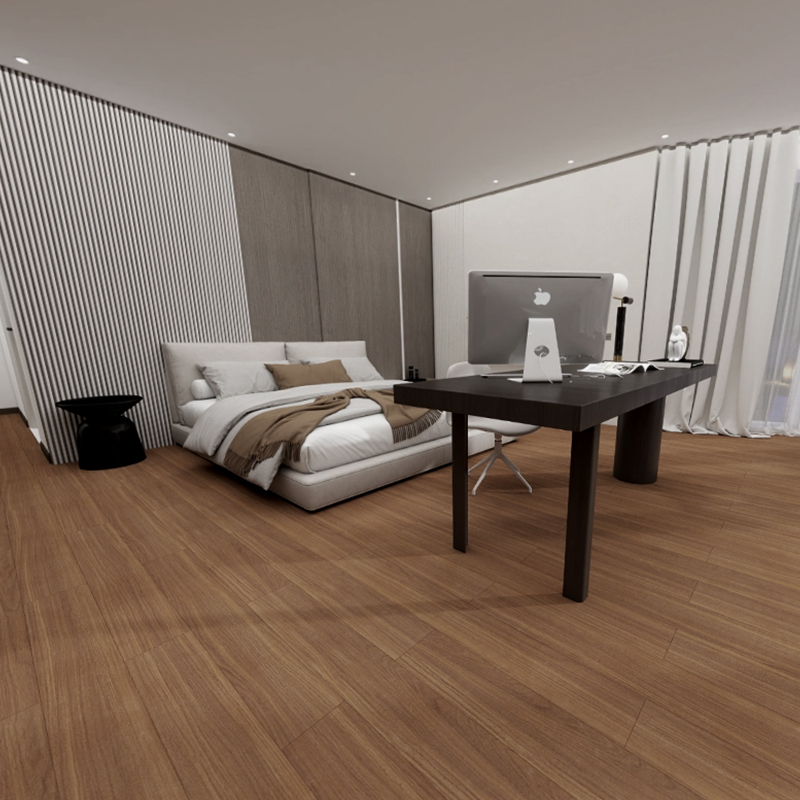
In conclusion, laminate flooring strikes an excellent balance between aesthetics, performance, and affordability. It is a practical choice for those seeking a low-maintenance, durable flooring solution that can adapt to various interior styles and usage scenarios. By understanding its structure, advantages, limitations, and maintenance requirements, consumers can make an informed decision and enjoy the benefits of laminate flooring for years to come.


