
Is underfloor heating suitable? Waterproof and moisture-proof? Understand the core technical parameters of flooring in one article
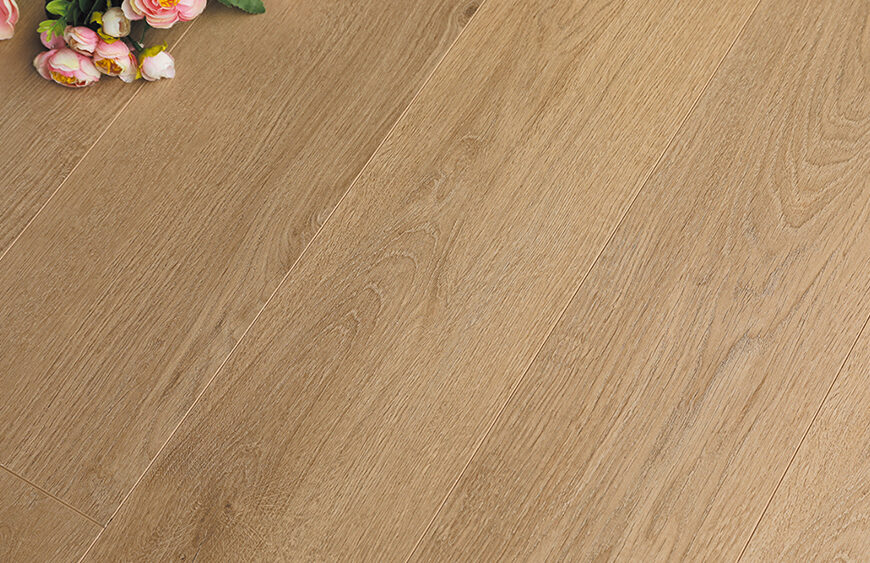
When choosing flooring for decoration, the adaptability of underfloor heating, waterproof and moisture-proof ability, and wear and impact resistance are the three most concerned technical indicators for consumers. The performance of flooring made of different materials varies greatly, and choosing the wrong one may affect its service life and living experience. This article will analyze key parameters to help you make informed choices.
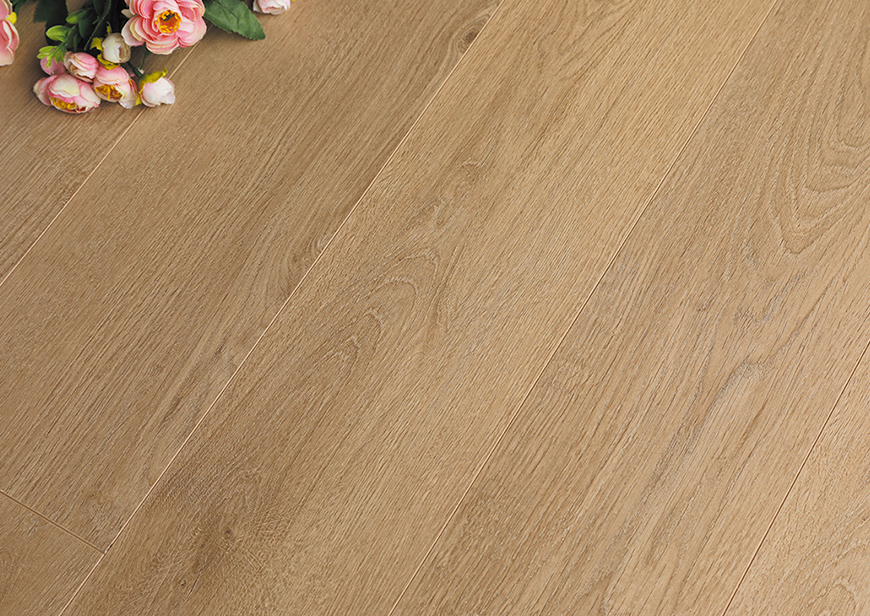
- Floor heating is suitable for flooring: stability is key
Not all floors are suitable for underfloor heating environments. The main considerations are twofold:
✅ Thermal conductivity: affects the heat dissipation efficiency of underfloor heating, composite flooring (reinforced/SPC)>solid wood composite>pure solid wood
✅ High temperature resistance and deformation resistance:
Reinforced flooring (HDF high-density substrate) has the best stability
SPC stone plastic flooring (stone powder+PVC) hardly deforms
Solid wood/three-layer solid wood requires special treatment (carbonization/locking reinforcement)
⚠️ Avoid pitfalls: Pure solid wood flooring is prone to cracking, and it is necessary to choose a floor heating special type (low moisture content+special coating)
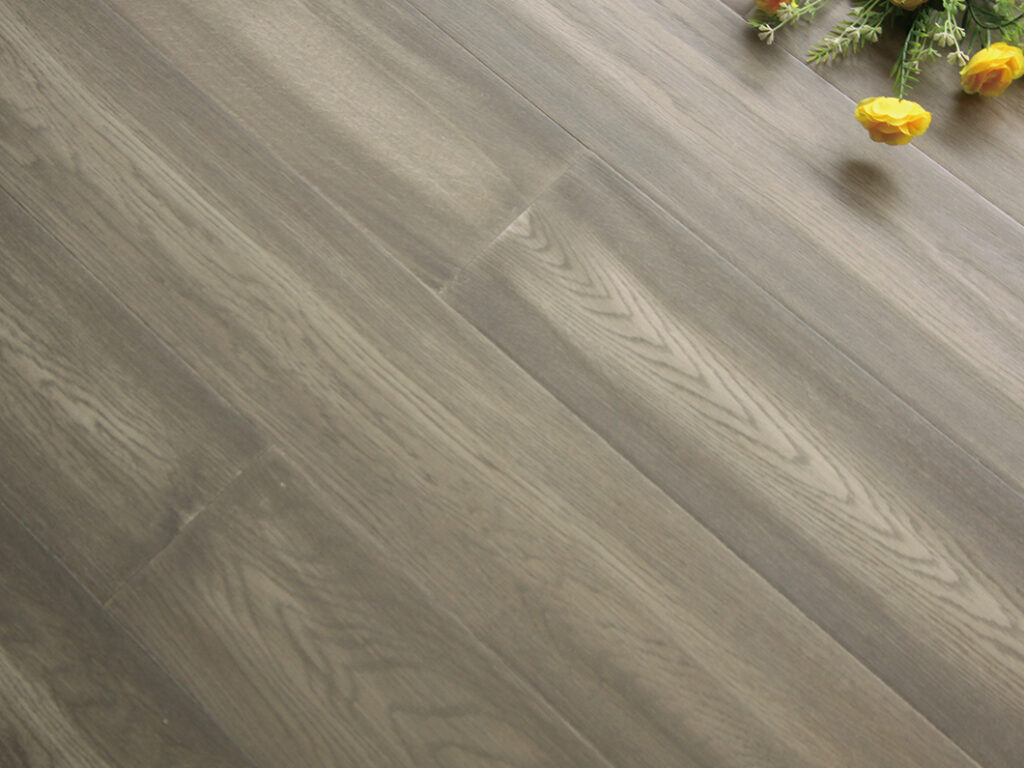
- Waterproof and moisture-proof: Check the substrate and sealing process
Wet areas such as bathrooms, kitchens, and basements require special attention to:
🔹 Waterproof grade:
Fully waterproof: SPC flooring (100% not afraid of water bubbles)
Life waterproofing: Reinforced flooring (four sided sealing wax+moisture-proof substrate)
Not waterproof: pure solid wood flooring (prone to swelling when exposed to moisture)
🔹 Key processes:
Wax sealing treatment: Apply wax around and on the back of the floor to block moisture
High density substrate: HDF has stronger moisture resistance than MDF
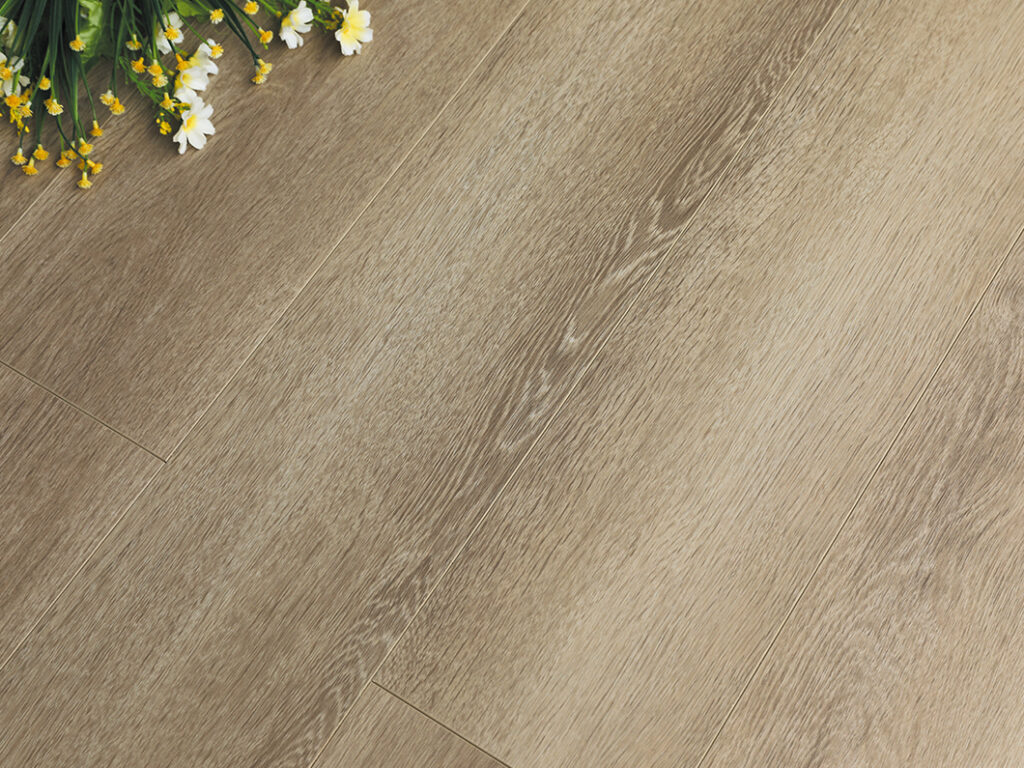
- Wear resistance and impact resistance: determine the lifespan of the floor
The AC wear resistance grade (EN13329 standard) is the core indicator:
AC3 (for moderate household use, such as bedrooms)
AC4 (severe for household use/mild for commercial use, such as living room)
AC5 (high flow areas such as shopping malls and offices)
Reinforced flooring is usually AC3-AC5, while solid wood flooring has lower wear resistance and requires regular waxing and maintenance. - Environmental friendliness: The amount of formaldehyde released cannot be ignored
Under underfloor heating conditions, high temperatures may accelerate formaldehyde release. Identify:
National standard ENF level (≤ 0.025mg/m ³, the strictest standard)
European standard E0 level (≤ 0.05mg/m ³)
CARB NAFF certification (California Environmental Standard)


