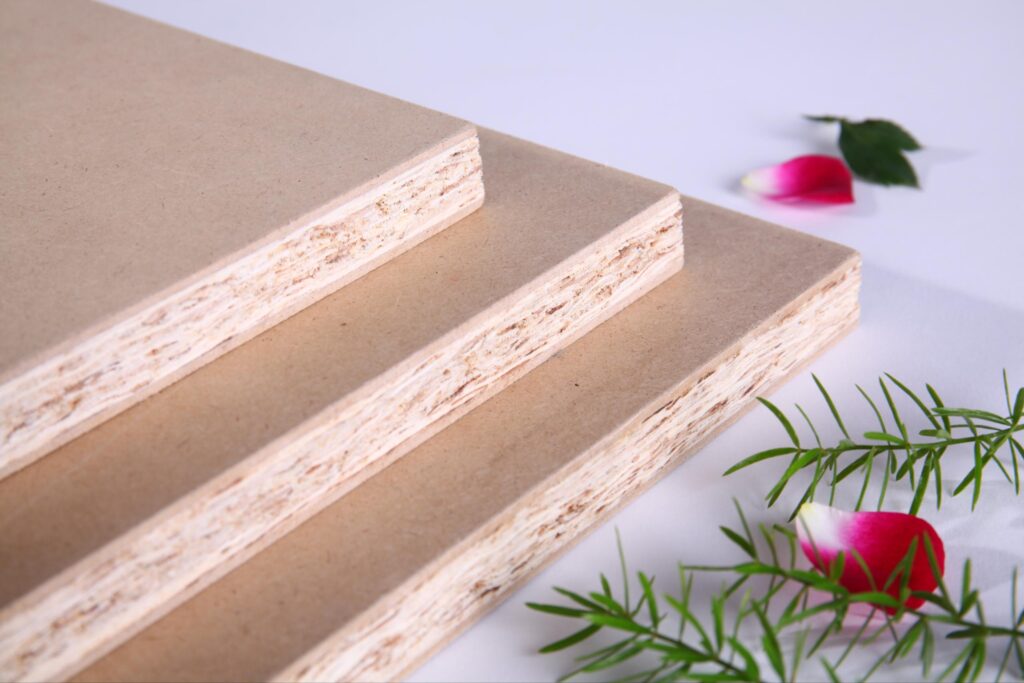
OSB Substrate: A Versatile Engineered Wood Solution
Oriented Strand Board (OSB), commonly referred to as OSB substrate, is a high-performance engineered wood panel that has gained widespread popularity in construction, furniture manufacturing, and interior decoration industries. Developed in the 1950s in the United States and Canada as an alternative to plywood, OSB is celebrated for its exceptional strength, dimensional stability, cost-effectiveness, and environmental friendliness, making it an indispensable material in modern building and manufacturing practices.
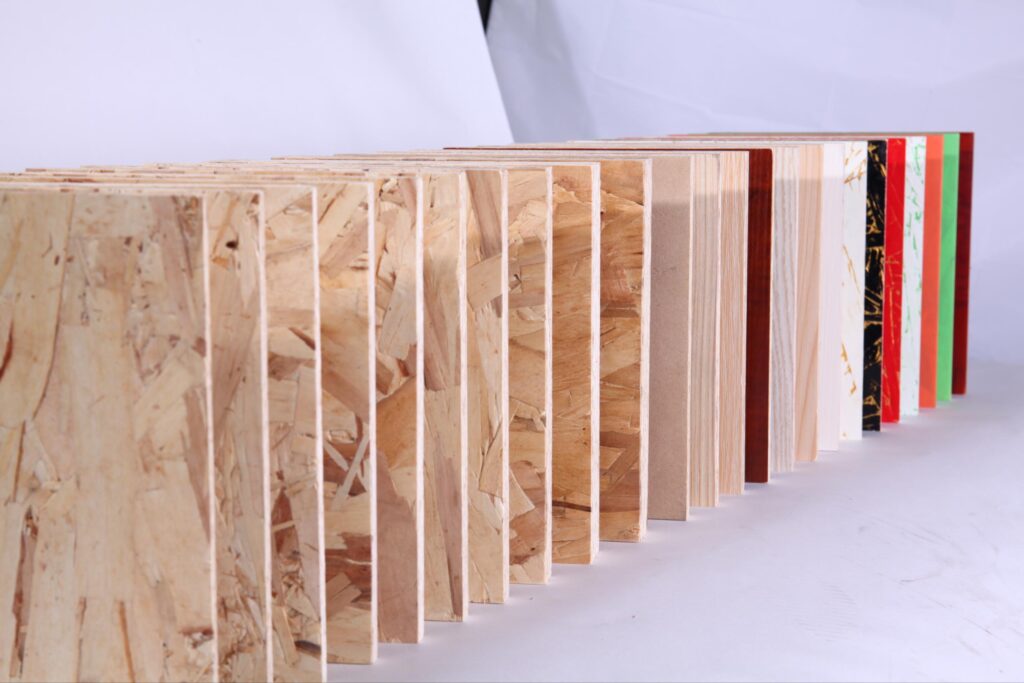
The core of OSB substrate lies in its unique layered structure and rigorous production process. Unlike traditional particleboard or medium-density fiberboard (MDF), OSB is made from long, thin wood strands—typically 0.6–1.5 mm thick and 75–150 mm long—sourced from fast-growing softwoods such as pine, spruce, and aspen, as well as some hardwoods like poplar. The production process begins with debarking and chipping logs into uniform strands, which are then dried to a moisture content of 2–6% to ensure optimal bonding. After drying, the strands are sorted by size, blended with waterproof adhesives (such as phenol-formaldehyde or polymeric diphenylmethane diisocyanate) and wax additives, and then oriented in specific directions during the mat formation stage.
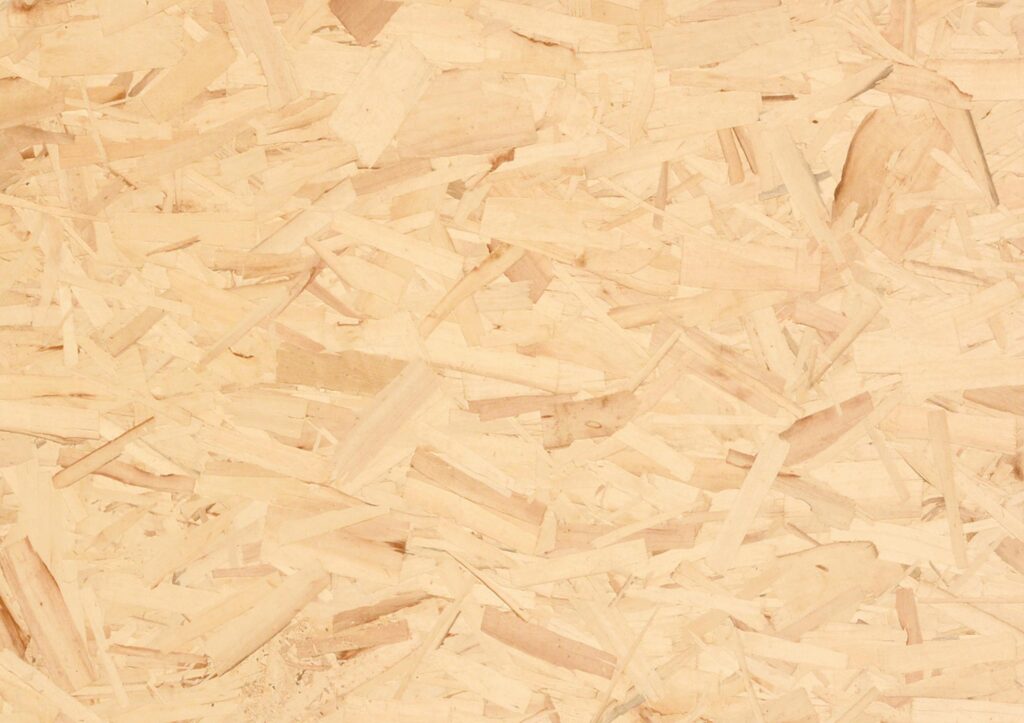
A key characteristic of OSB substrate is its cross-oriented strand arrangement: the outer layers (face layers) of the panel have strands aligned along the length of the board, while the core