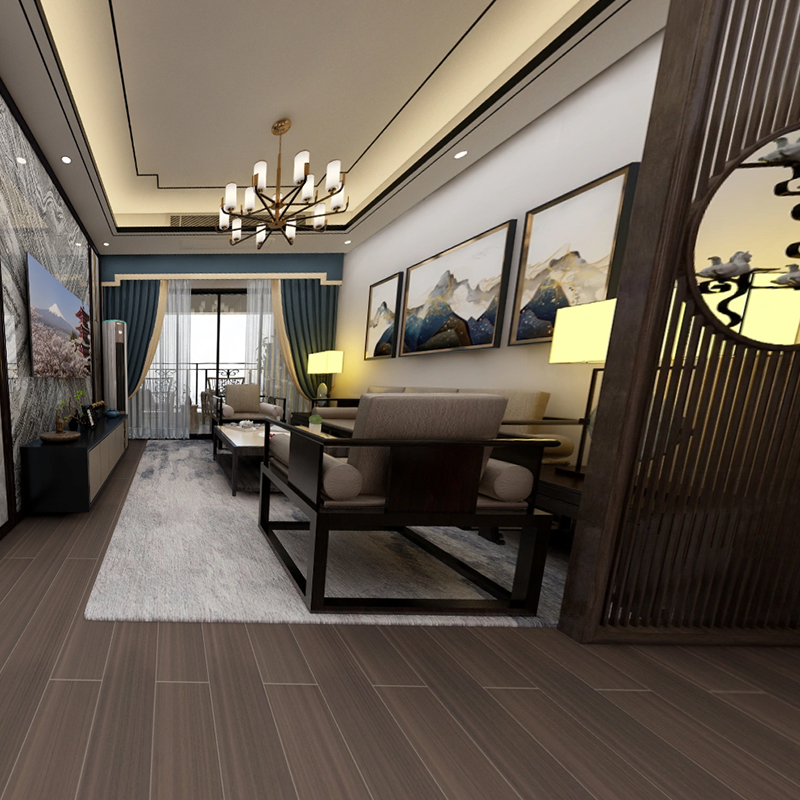
Wood Flooring vs. Tile: Why Wood Takes the Lead in Modern Homes
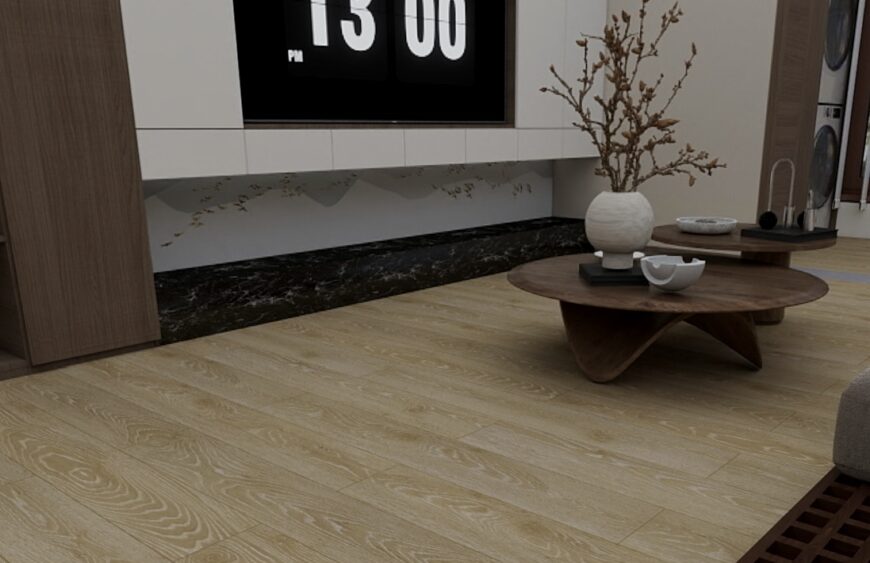
When it comes to flooring choices for homes, two popular options often stand out: wood flooring and tile. While tile has its own merits, wood flooring consistently emerges as the superior choice for homeowners seeking comfort, aesthetics, and long-term value. This comparison will highlight the key advantages of wood flooring that make it a timeless and practical investment.
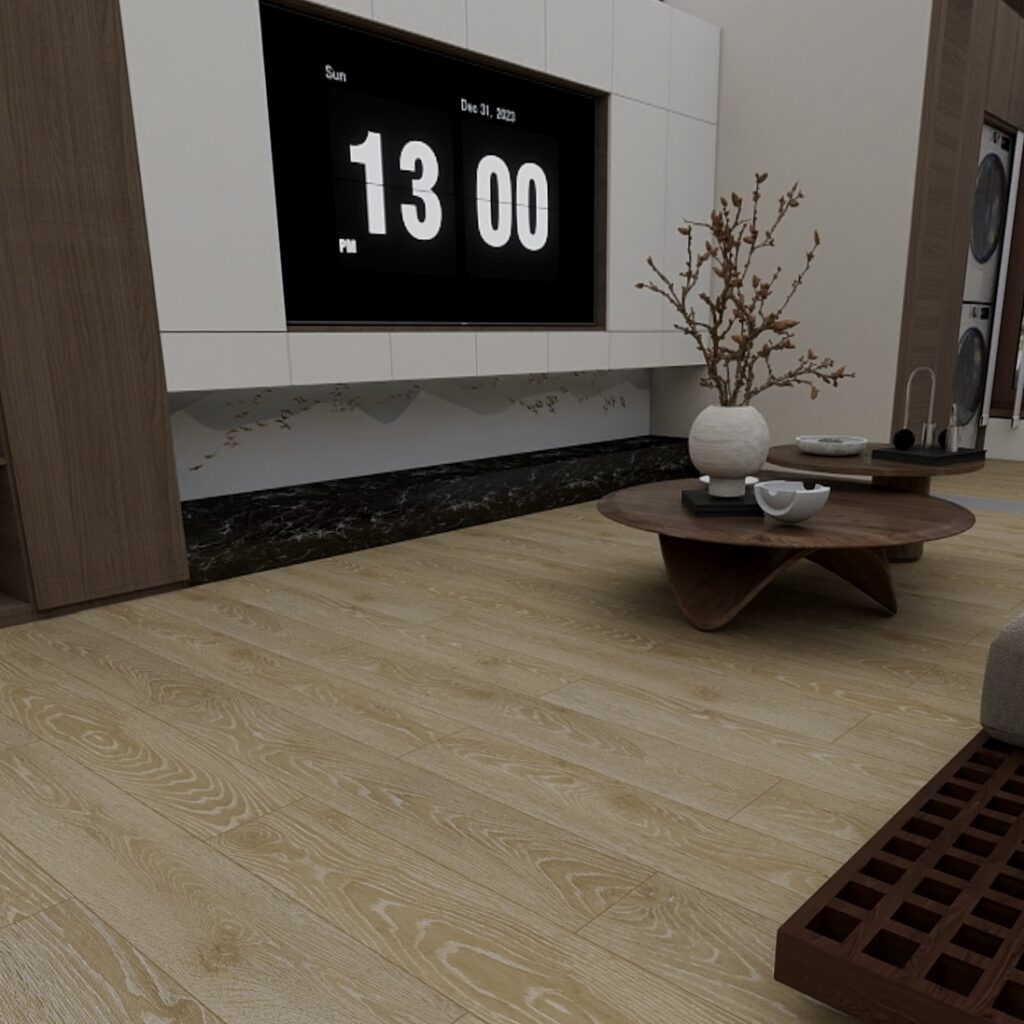
First and foremost, comfort is where wood flooring outshines tile. Wood has natural thermal insulation properties, meaning it feels warm underfoot even in cold weather, unlike tile, which tends to retain cold and can feel icy during winter. Additionally, wood’s slight flexibility provides a softer, more forgiving surface to walk, stand, or play on. This not only reduces fatigue for those who spend long hours on their feet but also offers better shock absorption, making it safer for children and pets—tile’s hard, rigid surface offers little to no give, increasing the risk of slips and injuries.
Aesthetics are another major strength of wood flooring. Wood boasts a unique, organic beauty with natural grain patterns, color variations, and textures that tile, even with printed designs, cannot replicate. Each plank of wood tells a story, adding character and warmth to any space. Unlike tile, which can appear sterile or uniform, wood flooring brings a sense of coziness and sophistication to rooms, whether it’s a rustic farmhouse kitchen or a modern urban living room. It also offers versatile styling options: from rich, dark hardwoods to light, blonde engineered wood, there’s a wood finish to complement any decor theme. Tile, on the other hand, often requires grout lines that can break up the visual flow and collect dirt, diminishing its overall appeal.
Durability and maintenance, when properly cared for, further favor wood flooring. High-quality hardwood or engineered wood floors can last for decades—even a century—with regular refinishing. Refinishing allows homeowners to sand down scratches, stains, or wear and reapply a fresh finish, restoring the floor’s original beauty without full replacement. Tile, while resistant to scratches and water, is prone to cracking or chipping if heavy objects are dropped, and damaged tiles are difficult to repair seamlessly. Moreover, wood flooring is easier to clean on a daily basis: a quick sweep or vacuum followed by a damp mop is sufficient, whereas tile requires extra effort to scrub grout lines and prevent discoloration.

Environmental friendliness is yet another advantage of wood flooring. Responsibly sourced wood is a renewable resource—trees can be replanted and harvested sustainably, making wood flooring a greener choice compared to tile, which is made from non-renewable materials like clay, sand, and minerals. The production process of wood flooring also consumes less energy and emits fewer greenhouse gases than tile manufacturing, which involves high-temperature firing. Additionally, wood flooring has natural air-purifying properties, as it can absorb and release moisture, helping to regulate indoor humidity levels and improve air quality.
In conclusion, while tile may be suitable for specific areas like bathrooms or entryways where water resistance is a top priority, wood flooring offers a winning combination of comfort, beauty, durability, and sustainability that makes it the ideal choice for most living spaces. Its ability to enhance the aesthetic appeal of a home while providing a warm, safe, and low-maintenance surface makes wood flooring a valuable investment that stands the test of time.